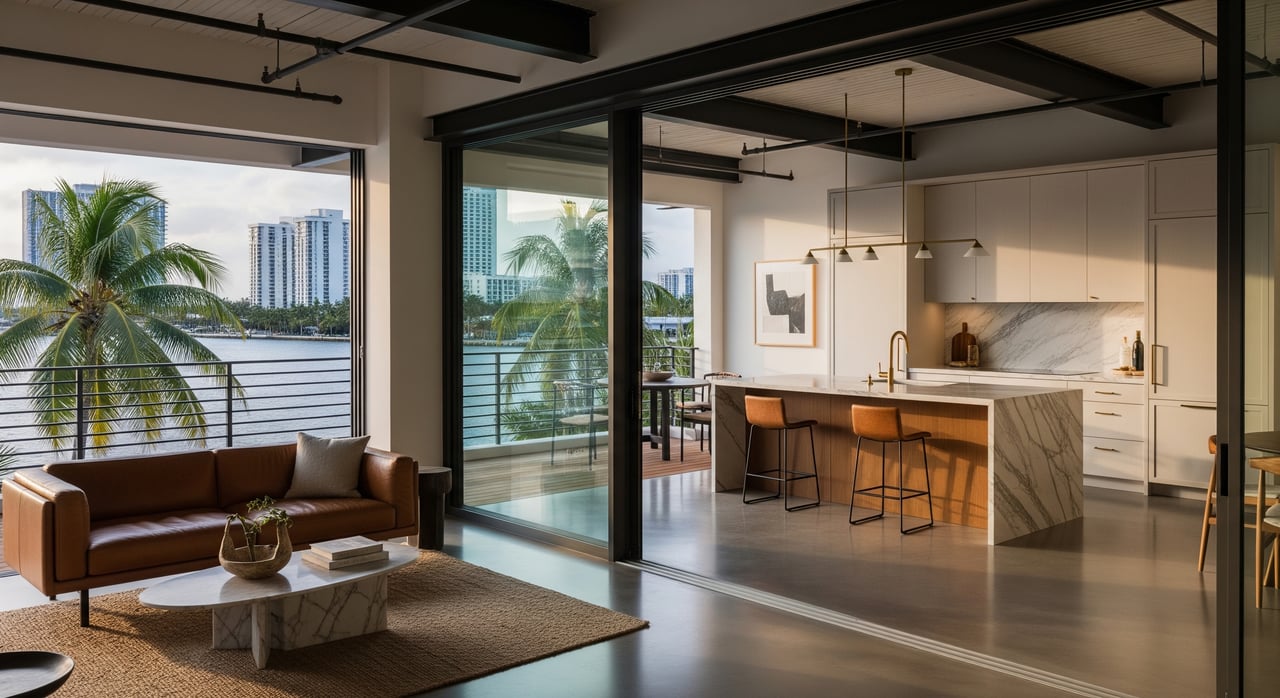
Salt in the air, glass-glint on the water, coffee in hand. From a Flagler Drive loft, sunrise spills across the Intracoastal while small boats hum past and palm frond shadows slide across your balcony tiles. If you’re imagining a seasonal retreat that blends waterfront calm with city energy, you’re in the right spot. In this guide, you’ll get a feel for daily life along Flagler Drive in Downtown West Palm Beach and the key checks to make before you buy. Let’s dive in.
Morning on the water
Your day starts with soft light reflecting off the Intracoastal and a salt-tinged breeze drifting through tall windows. You can head out for a jog or walk along the waterfront promenade, greeting early risers and watching the first ferries and small craft glide by. Coffee and breakfast cafés sit within a short stroll for most Flagler addresses, so you can keep your morning simple and car-free.
By late morning, the city warms up. If boating is on your agenda, nearby marinas and waterfront services are easy to access where slip options exist. Errands are efficient thanks to downtown’s compact footprint, with groceries and essentials close at hand.
Midday ease, city convenience
Many residents time errands for midday, when streets are calmer outside peak tourist hours. Lunch can be an outdoor table with Intracoastal views or a quick stop near the entertainment core. If you enjoy design and culture, you’ll find museum exhibitions, galleries, performances, and seasonal events that turn an ordinary afternoon into a culture day, especially during high season.
Evenings with waterfront glow
As the sun drops, the Intracoastal shifts to rose and gold. You might host friends for cocktails on the balcony with the skyline in silhouette or walk to dinner on Clematis Street or around Rosemary Square. During high season, outdoor concerts and waterfront festivals bring a lively rhythm to the neighborhood. Summer feels quieter, but you’ll notice buildings focus on maintenance and storm-readiness.
What a “Flagler loft” can be
“Loft” living along Flagler can mean different things depending on the building. Some homes offer true open plans with high ceilings and exposed elements. Others are modern condos styled with loft features like expansive windows, mezzanines, or gallery-worthy walls. Ceiling heights, window exposures, and floor plans vary by address, so it’s smart to verify these details for any unit you consider.
Walkability in downtown West Palm
Downtown West Palm Beach is a compact, walkable district. From many Flagler Drive buildings, you can reach restaurants, cafés, bars, grocery options, and specialty shops on foot. Cultural anchors, seasonal markets, and waterfront events add regular variety to your calendar. Exact walking times depend on where your building sits along the corridor, so check an address-by-address map when you tour.
Practical checks that shape value
Before you fall in love with the view, confirm the details that impact daily life and long-term value.
HOA fees and coverage
Waterfront buildings often include a master insurance policy, common-area maintenance, elevators, pool or gym, landscaping, and security in monthly fees. Some include cable or internet. On the water, fees may also support seawall, dock, marina, or storm-hardening costs. Review the current budget, reserve study, and recent assessments to see how well the association plans for big-ticket items.
Building age and recent upgrades
Age matters on the waterfront. Ask about building envelope work, impact-rated windows, balcony and roof projects, and flood or wind-mitigation upgrades. Request inspection and capital improvement records so you understand both durability and upcoming projects.
Marina and slip access
Some properties offer deeded or leased slips. Others rely on nearby marinas, and some have no access at all. If boating is essential, verify slip availability, vessel size limits, maintenance fees, and whether slips transfer with a sale. A title search can clarify any deeded rights.
Parking and storage
Confirm how many spaces you get, whether they are assigned or deeded, and how guest parking works. In-unit storage and bicycle rooms are practical musts for urban living. Review rules and location details if you host guests often or plan to keep sports gear on hand.
Rental and leasing rules
If you want seasonal renting flexibility, check rental minimums, caps, and any city rules. Some buildings allow short-term leases with restrictions. Others set longer minimums or do not allow short-term rentals at all. Read the HOA bylaws and verify city permitting requirements before you assume rental income.
Waterfront risk and resilience
Living on the Intracoastal is special, and it comes with a few extra steps of diligence.
Flood zones and insurance
Portions of Flagler Drive may sit in FEMA Special Flood Hazard Areas. Lenders often require flood insurance in these zones. Ask for the property’s flood-zone determination and an elevation certificate, then obtain quotes from the National Flood Insurance Program and private carriers to understand premiums.
Wind exposure and hurricane prep
Coastal buildings face high-wind exposure, particularly June through November. Review wind-mitigation features like impact-rated glass, shutters, roof condition, and the association’s current certifications. Confirm generator capacity, elevator backup plans, and how common areas are secured during storms.
Seawalls, docks, and building envelope
Seawalls, pilings, and dock systems need regular maintenance. Request recent inspection reports, permits, and repair history. Healthy reserve funding for maritime infrastructure is a strong indicator of proactive management.
Evacuation plans and building protocols
Understand local evacuation zones and routes and how your building communicates and manages emergency orders. Ask about building access policies, elevator use, and staffing during storm events, as well as post-storm inspection procedures.
Second-home finances to know
Seasonal buyers have a few added checkpoints that affect approvals and carrying costs.
Financing for non-primary residences
Lenders may require larger down payments and specific debt-to-income thresholds for second homes. For condos, they also review the association’s financials, reserve strength, and owner-occupancy ratios. If FHA or VA options matter to you, confirm the building’s current approval status.
Property taxes and homestead
Florida’s homestead exemption applies to primary residences only. If you plan to use the home seasonally, you will not claim it. Check Palm Beach County property appraiser records for assessed value and tax estimates on a specific address.
Insurance and premiums
Coastal condos often carry higher wind and flood premiums. Many lenders require escrow for flood insurance. Compare quotes early so you understand all-in monthly costs beyond the mortgage and HOA fees.
HOA health and resale
A strong reserve study, adequate funding, transparent meeting minutes, and a clean litigation history support stable fees and resale value. Look for clear communication about upcoming projects and any special assessments.
Three lifestyle scenarios to test your fit
Use these real-world moments to guide what you verify before you offer.
A boating Saturday
- Confirm your slip plan, vessel size limits, and whether guests can be accommodated at nearby marinas.
- Review balcony and storage rules for gear and coolers.
- Check parking details if friends join you for the day.
A culture day downtown
- Map your walk to galleries, museums, and performance venues.
- Look at event calendars in high season, when crowds rise and street closures can occur.
- If noise sensitivity matters, ask about window glazing and insulation.
Hosting a long weekend
- Verify guest parking, short-term rental rules, and any registration steps.
- Consider kitchen layout, pantry storage, and balcony capacity for easy entertaining.
- Confirm quiet hours and building policies for common areas.
Quick buyer checklist
Use this list to stay organized as you compare buildings and units.
- HOA financials, current budget, reserve study, and past three years of meeting minutes
- HOA bylaws, rules, rental policy, pet policy, and any pending or recent special assessments
- Master insurance declarations and coverage limits for wind and flood
- Building inspections: elevator, roof, building envelope, and recent capital projects
- Seawall and dock inspection history, permits, and maintenance plans
- Property-specific inspection, elevation certificate, flood-zone letter, and insurance quotes
- Title search for any deeded boat slip or access easements
- Palm Beach County property appraiser record for taxes on the address
- City and county rules for short-term rentals and any parking permits
When you line up these pieces, you can weigh the art of daily life against the practical realities that protect your investment. If Flagler Drive’s waterfront rhythm fits your pace, you’ll have clarity and confidence as you take the next step.
Ready to explore a curated collection of waterfront lofts and see how design elevates every square foot? Schedule a private tour with the team at Haven Palm Beach and discover a turn-key, art-ready way to live on the Intracoastal.
FAQs
Are Flagler Drive lofts walkable to dining and nightlife?
- Much of downtown’s dining and entertainment core is within walking distance from many Flagler addresses, though exact times vary by building location.
Do most waterfront condos include boat slips?
- Access varies by property; some offer deeded or leased slips, others rely on nearby marinas, and many have none, so verify availability and transfer rules for each address.
Will my lender require flood insurance for a Flagler Drive condo?
- If the building sits in a FEMA Special Flood Hazard Area, lenders typically require flood insurance; confirm the unit’s flood zone and get quotes before you buy.
How noisy is living on the Intracoastal in season?
- You may hear boat engines, festival activity, and nightlife; interior noise depends on building construction quality, window glazing, and insulation.
Can I rent my Flagler Drive loft short term?
- It depends on the HOA bylaws and local ordinances; some buildings allow short-term leases with restrictions while others require longer minimums or prohibit them.
What costs should I plan for beyond my mortgage and HOA fees?
- Expect wind and flood insurance, possible marina or slip fees, and maintenance needs tied to hurricane season, plus standard utilities and any assessments.