Do you dream of stepping out your front door, strolling a few blocks, and boarding your boat for a sunset cruise on the Intracoastal? If so, you are not alone. Many buyers come to Downtown West Palm Beach for that exact blend of waterfront ease and urban energy. In this guide, you will learn what walk-to-marina living really looks like downtown, the home types that fit the lifestyle, what to verify about slips and insurance, and how to budget smartly. Let’s dive in.
What walk-to-marina means in Downtown WPB
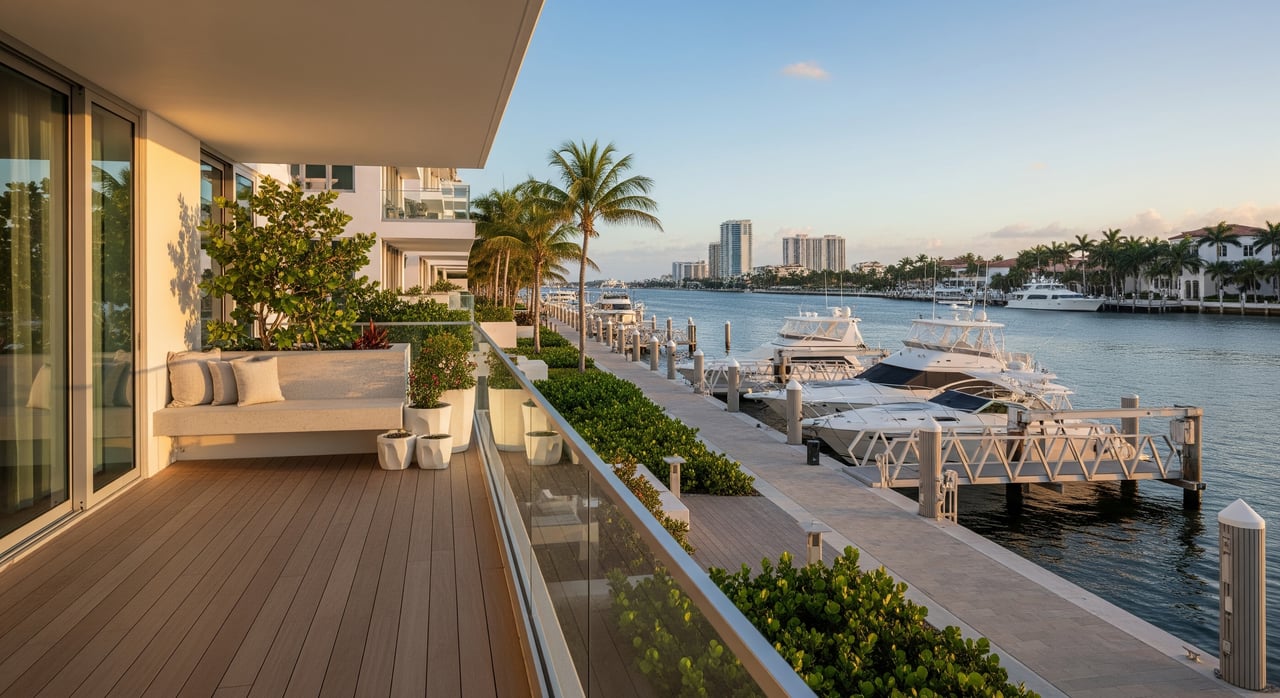
In West Palm Beach, the Intracoastal Waterway separates the mainland from the barrier island of Palm Beach. Downtown residences on the mainland side can face the water, sit a block or two back, or anchor deeper in the core with an easy walk to the waterfront promenade. When buyers say “walk-to-marina,” they usually expect a 5 to 20 minute walk, depending on sidewalks, crossings, and bridge routes.
The value here is simple. You save time by walking to your slip or a public dock instead of trailering or driving across town. You gain a daily ritual of morning waterfront walks and easy access to dining, events, and a vibrant boating community. To confirm true walkability, test the route during the times you plan to use it and note lighting, traffic, and crosswalks.
Downtown West Palm Beach at a glance
Downtown is anchored by Clematis Street and Rosemary Square. Both districts offer restaurants, retail, culture, and a lively pedestrian experience that complements a marina-focused lifestyle. The waterfront promenade, parks, and public piers add daily value even when you are not on the water.
The urban form includes high-rise and mid-rise condos, with select low-rise buildings and townhomes. Many luxury condos line the Intracoastal or sit within a block or two, which often enhances views, light, and access.
Home types that fit this lifestyle
Waterfront high-rise condos
These towers often deliver broad water views, on-site amenities, and in some cases association-controlled dock or slip access. Expect features like pools, fitness centers, staffed lobbies, and garage parking. Association fees can be higher in buildings with robust amenities or marina components.
Near-water mid-rise condos
One to three blocks off the Intracoastal, these buildings can offer value compared with direct waterfront towers while staying within an easy walk of the promenade or a marina. Views may be angled or partial, but you often retain strong walkability and quick access to dining and culture.
Townhomes and single-family options nearby
These are less common in the immediate core but appear on the edges of downtown and in adjacent neighborhoods. Some homes near canals feeding the Intracoastal may have private docks. If a dock is present or possible, verify permits, riparian rights, and maintenance obligations.
Mixed-use loft residences
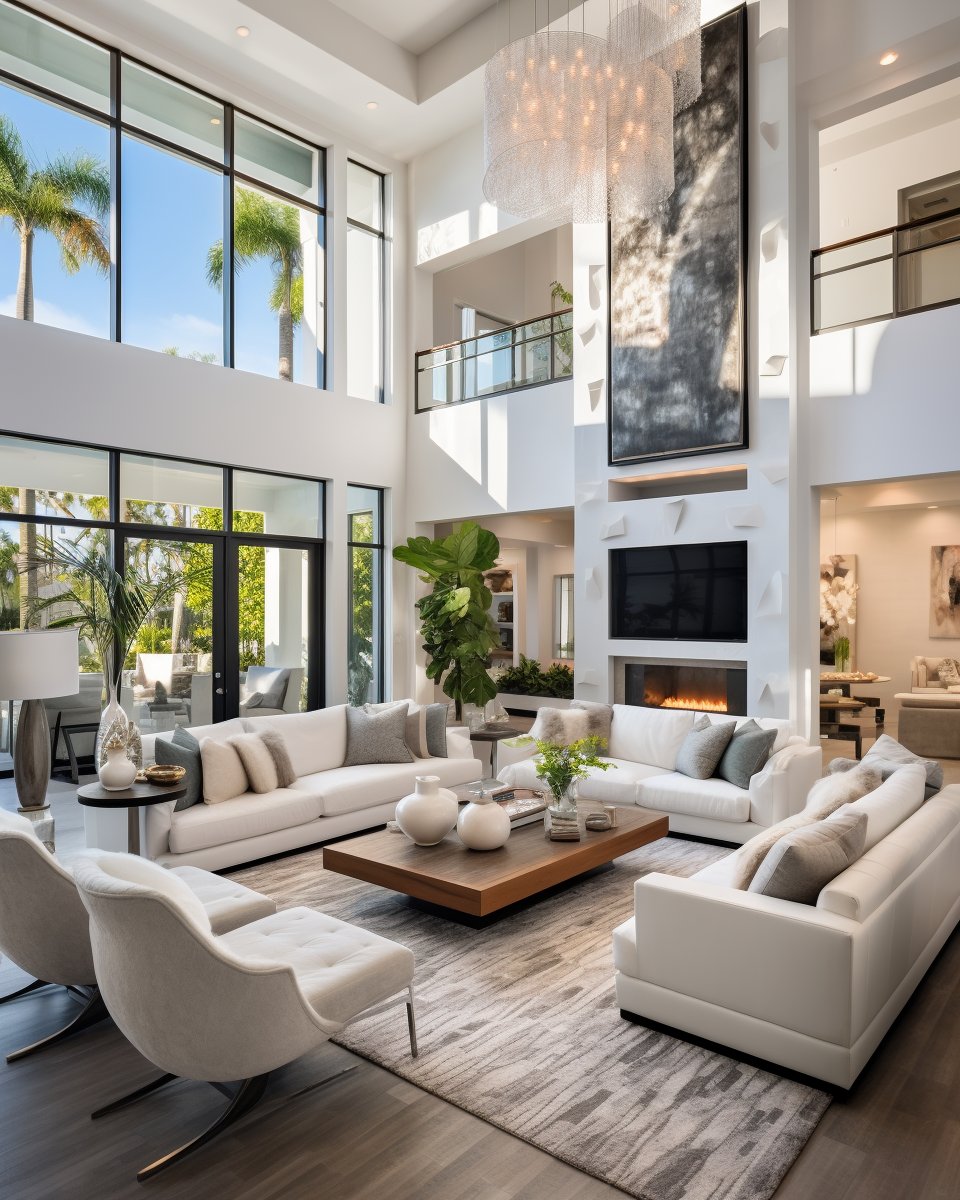
Downtown also includes buildings with ground-floor retail and residences above. For design-forward buyers, loft-style units with high ceilings and gallery walls can feel tailored to a coastal urban lifestyle. Walk-to-marina routes can be as short as a few blocks, depending on the building.
How marina and slip access works
There are three primary ways to access the water when you live downtown:
- Private docks or slips controlled by a condominium association. Allocation varies. Some slips are deeded, some are leased, and some are assigned by waiting list.
- Public marinas or transient docks operated by local government. These are useful for short-term use or visitors. Fees and wait times can differ for residents and non-residents.
- Commercial marinas that offer wet slips, dry storage, fuel, pump-out, service, and sometimes concierge options. Walkability depends on your building’s location.
If a slip is central to your lifestyle, make it a contract item to verify. Ask for written association or marina policies, fee schedules, and the current status of waiting lists. If a slip is deeded, confirm it in the title work. If it is leased or assigned, confirm transfer rules, term lengths, and any buy-in or assessment obligations.
Boating practicalities you should confirm
The Intracoastal is navigable, but every vessel and route has constraints. Before you commit, confirm:
- Bridge clearances and channel depth for your boat type and height.
- Tides, shoaling patterns, and any dredging schedules that affect draft.
- Marina rules on vessel length, beam, and height, plus any seasonal changes.
- Availability of fuel, pump-out, and service along your typical routes.
- Security, electricity, water supply, and after-hours access for your slip.
Your marina manager, association, or local harbormaster can help you validate these details. A short call can prevent expensive surprises.
Risk, insurance, and building requirements
Much of downtown West Palm Beach falls within FEMA flood zones. If you finance your purchase, your lender may require flood insurance. Premiums are shaped by your building’s elevation, construction type, first-floor height, and elevation certificates. In condominiums, the association typically carries a master policy for the structure, but you still need to understand what the master policy covers and what you must cover for your unit.
Windstorm risk also affects South Florida insurance. Many policies include hurricane deductibles and underwriting requirements. Some properties qualify for mitigation discounts if they have impact windows, reinforced roofs, or other approved features. Request quotes early for homeowner, flood, and windstorm policies so you can budget accurately.
If you plan any work on docks or seawalls, permits are required. Depending on the scope, agencies can include the city, county, and state environmental authorities. Setbacks, riparian rights, and responsibility for seawall maintenance vary by property and association, so review title and governing documents with care.
Costs to budget beyond the purchase price
Walk-to-marina living includes ongoing expenses. Plan for:
- Association fees. Higher in buildings with pools, staffed lobbies, gyms, and dock facilities. Review what is included, such as building insurance, reserves, and marina maintenance.
- Slip costs. Purchase price for deeded slips, or monthly or annual fees for leased or association-controlled slips. Ask about assessments for seawall or dock repairs.
- Insurance. Homeowner, flood, and windstorm policies with hurricane deductibles. Quotes vary by elevation and construction.
- Property taxes and municipal fees. Confirm current assessed values and any changes after purchase.
- Boat ownership costs. Maintenance, storage, hauling, and any required upgrades or inspections.
A clear pro forma for your specific unit and slip will help you compare buildings and avoid surprises.
Resale and investment outlook
Waterfront and near-water properties often command a premium because of views, access, and limited supply. In the downtown condo market, pricing also reflects building amenities, on-site management quality, garage parking, and the availability or transferability of slips.
Resale demand is supported by several buyer profiles. These include local boaters seeking convenience, seasonal or second-home buyers who value low-maintenance luxury, and investors where leasing rules allow. On the other hand, strict association rules, limited slip transfer, or high fees can narrow your buyer pool. Walkability to restaurants, arts, and transit generally boosts appeal and rental demand.
Some buyers also weigh long-term climate concerns. Elevation, flood maps, and insurance costs may influence decisions and resale timing. Being transparent about elevation certificates, association reserves, and any planned seawall projects can build buyer confidence when it is time to sell.
Your buyer checklist
Use this quick list to move from vision to verification:
- Time the walk from the front door to your target marina or dock, both day and night.
- Confirm slip access in writing: deeded, leased, or waiting list, plus all fees.
- Ask for association documents, financials, budgets, minutes, and reserve studies.
- Review elevation certificates, current FEMA flood map status, and first-floor height.
- Get early quotes for homeowner, flood, and windstorm insurance.
- Validate bridge clearances, channel depths, and any vessel size limits.
- Check marina services: fuel, pump-out, security, electricity, and water.
- Ask about recent or planned seawall or dock projects and how costs are allocated.
- Verify leasing rules if you plan seasonal or long-term rentals.
- Compare comps for direct waterfront, near-water, and interior units in the same micro-area.
For sellers: make the lifestyle obvious
Buyers shop with their eyes and their feet. When they can feel the marina routine from the moment they step inside, your home stands out. Design-led staging, art-ready presentation, and clear wayfinding from residence to waterfront help buyers connect lifestyle to layout. Association and marina documents should be organized and ready, including slip details, rules, fees, and any recent assessments.
Haven Palm Beach specializes in positioning waterfront lofts and condos so the lifestyle story is unmistakable. The brand’s gallery-caliber staging, curated events, and content-rich marketing bring the walk-to-marina promise to life, while partnerships with established brokerages keep transactions seamless and transparent.
Make Downtown your launch point
If you want a home that doubles as your daily launch, Downtown West Palm Beach delivers a rare mix of Intracoastal access and city energy. With the right unit, the right slip, and a clear plan for costs and coverage, you can enjoy effortless mornings on the promenade and sunset returns to your dock. When you are ready to refine options or discuss a specific building’s slip policies, we can help you compare details and chart the best course.
Ready to explore? Connect with the team at Haven Palm Beach to schedule a private viewing or explore the current waterfront collection.
FAQs
What does “walk-to-marina” mean in Downtown West Palm Beach?
- It typically means a 5 to 20 minute walk, depending on sidewalks, crosswalks, bridges, and building location; always test the route at the times you plan to use it.
Does buying a downtown condo guarantee a boat slip?
- No. Slip access depends on the association or marina; confirm whether slips are deeded, leased, or assigned, plus any waiting lists, fees, and transfer rules in writing.
How do flood zones affect condos near the Intracoastal?
- Many downtown properties are in FEMA flood zones; lenders may require flood insurance, and premiums depend on elevation, construction, and association coverage.
What insurance should I budget for near the waterfront?
- Plan for homeowner, flood, and windstorm coverage; expect hurricane deductibles in South Florida and request quotes early based on the specific unit and building.
Can I keep a large boat at a downtown slip?
- It depends on slip size, bridge clearances, channel depth, and marina or association rules; verify vessel length, beam, and height limits before you buy.
Who is responsible for seawalls and docks in a condo setting?
- Responsibility can be the association, the unit owner, or shared; review the deed, survey, and governing documents for riparian rights and maintenance obligations.