Are you torn between the gallery-like drama of a loft and the quiet comfort of a traditional condo? In Downtown West Palm Beach, you can have either style within steps of dining, culture, and the waterfront. This guide helps you weigh space, privacy, storage, renovation rules, and HOA costs so you can match your lifestyle to the right building. Let’s dive in.
Downtown living at a glance
Downtown West Palm Beach blends walkability with an active calendar of events, especially around Clematis Street and The Square. The district’s reimagining, highlighted in the Rosemary Square transformation, brought more restaurants, shopping, and public spaces. That energy shapes what you’ll find in nearby buildings, from open-plan lofts with big windows to classic condos with full-service amenities. It also means you should consider street orientation and courtyard exposure when you think about late-evening noise.
Loft vs. condo: What fits your lifestyle
What defines a downtown loft
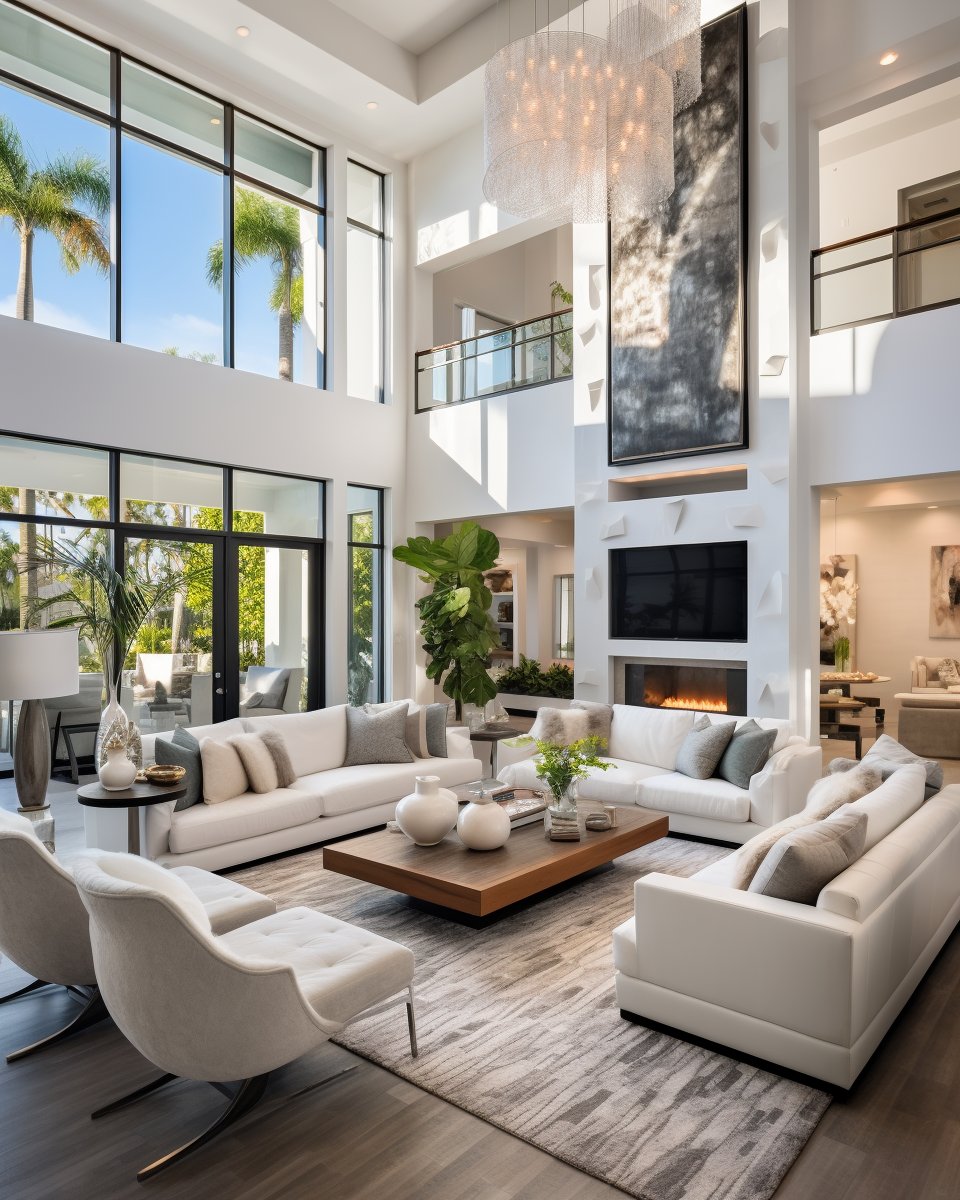
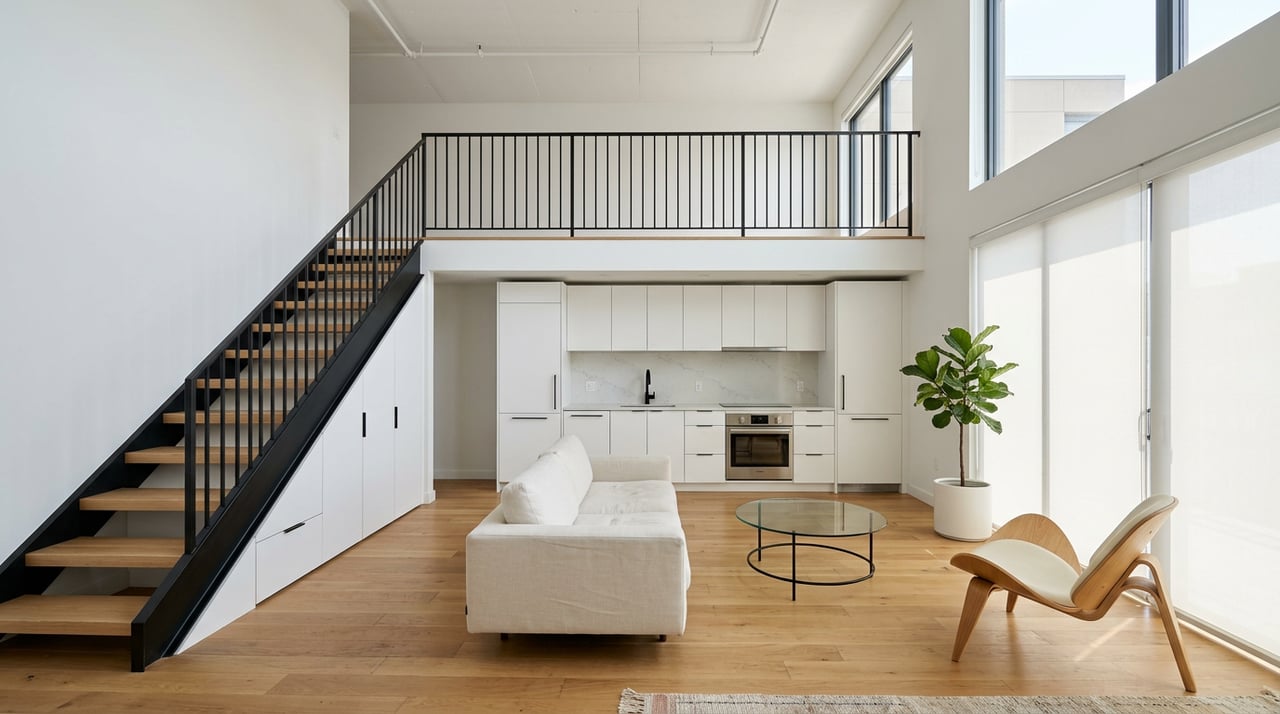
In downtown West Palm Beach, “loft” often means a true two-story living space or a high-volume “soft loft.” True lofts feature double-height living rooms, two-story windows, and a mezzanine bedroom. Soft lofts keep ceilings high on one level and may show exposed concrete or beams for an industrial feel.
Local examples you’ll see in listings include two-story lofts at One City Plaza with soaring living volumes, and single-level, high-ceiling residences at The Edge that lean modern and open. Both deliver light and drama, just in different formats.
What defines a traditional condo
Traditional condos lean into enclosed rooms, defined living zones, and built-in storage. Floorplans often include split bedrooms for privacy, walk-in closets, and multiple balconies. Two City Plaza, The Prado, and Tower at CityPlace represent this style with full-service amenities and a hotel-like experience.
Space, light, and ceiling height
If you crave volume and light, lofts deliver a wow factor. Double-height ceilings make modest square footage feel larger and create generous walls for art. Soft-loft and high-rise condos with 10 to 14 foot ceilings offer an airy feel without a second level.
What to check as you tour:
- Ask for measured ceiling heights by room, not just the living area.
- Confirm which spaces enjoy the tall volume. Some stacks have high ceilings only in the living room.
- Review photos or a floorplan to see how windows and volume interact with furniture zones.
Acoustics and privacy
Open volumes look incredible, but they also carry sound. Conversations, TV, and kitchen activity travel more easily in two-story spaces and across open stairs. Tall glass and hard finishes can add echo.
You can soften acoustics with simple design moves. Designers often recommend area rugs, upholstered seating, drapery or solar shades, bookcases, and even ceiling baffles in very tall rooms. For approachable ideas, explore these designer-backed tips to reduce echo.
What to check as you compare units:
- Is the primary suite enclosed or open to the living room below?
- Which side of the building does the unit face? Courtyard and interior exposures often reduce street noise.
- Visit at different times of day to understand ambient sound from nightlife and events.
Storage and daily function
Lofts trade some enclosed storage for openness and display. Fewer interior walls usually mean fewer closets, so you’ll lean on furniture and custom millwork to keep things tidy. Traditional condos tend to feature walk-in closets, pantries, linen storage, and in some buildings, deeded storage cages or locker rooms in the garage.
What to ask the listing agent:
- Closet count and dimensions, plus photos of interiors.
- Whether the unit includes a deeded storage cage, bike storage, or a private storage room.
- Parking type and location, including guest parking and EV charging options.
Renovation rules and what you can change
Inside most condos, you can update non-structural finishes like paint, lighting, flooring, and cabinetry with standard board notifications or approvals. Structural changes, window replacements, or anything that alters common elements or limited common elements often require formal approvals.
In Florida, the Condominium Act (Chapter 718) sets the framework for what associations control, including material alterations and owner responsibilities. Always review the declaration, bylaws, house rules, and any architectural guidelines so you know what’s allowed and how long approvals take.
Key documents to request:
- The alteration section from the condominium declaration and any design guidelines.
- Rules about exterior appearance, windows and doors, and HVAC connections that tie into common systems.
- Example timelines for recent owner renovation approvals in the building.
HOA dues, SIRS, and long-term costs
Monthly HOA dues vary based on amenity level, staffing, insurance, age, and reserves. Florida now requires structural milestone inspections and Structural Integrity Reserve Studies (SIRS) for many multi-story condo buildings. Findings can influence reserve targets and future budgets.
Before you make an offer, ask for the most recent budget, reserve study, milestone inspection, and any SIRS documents. This overview of Florida’s SIRS requirements explains how associations plan for building elements like roofs, structure, and balconies. Some downtown building listings also mention recent capital work or SIRS compliance for buyer confidence. It is smart to verify those details directly with association documents.
Building spotlights: Where each shines
One City Plaza: True loft energy
- Why you might love it: Two-story living rooms, dramatic daylight, and tall gallery walls for art and large-scale pieces.
- What to confirm: Mezzanine bedroom privacy, HVAC layout between levels, closet capacity, and the building’s window treatment rules.
- Who it suits: Design-forward buyers who entertain and want a signature space with real vertical drama.
The Edge: Soft-loft simplicity
- Why you might love it: High single-level ceilings, big impact glass, and a clean industrial vibe without stairs.
- What to confirm: Exact ceiling heights by room, storage allocation, and parking details.
- Who it suits: Work-from-home or hybrid buyers who want openness and light with more acoustic control than a two-story loft.
Two City Plaza, The Prado, Tower at CityPlace: Classic condo comfort
- Why you might love it: Split bedroom plans, walk-in closets, multiple balconies, and full-service amenities like concierge and rooftop pools.
- What to confirm: Leasing rules and minimum terms, guest parking, and how reserves and any SIRS recommendations are built into the current budget.
- Who it suits: Buyers who value privacy, defined zones for guests or work, and low-friction building services.
Quick buyer checklist
- Ceiling and plan
- What are the measured ceiling heights in the living area, kitchen, and bedrooms?
- Is this a true two-story loft or a single-level unit with high ceilings?
- Acoustics and orientation
- Does the primary suite fully enclose, or is it open to below?
- What is the street or courtyard exposure, and how does it sound at night and on weekends?
- Storage and parking
- How many closets are there, and are any walk-in? Are storage cages or bike lockers deeded to the unit?
- Is parking deeded, assigned, valet, or first-come? Are EV chargers present or allowed?
- Renovation rules
- What interior changes need board approval, and what is the typical timeline? Any limits on windows, doors, or balconies under Chapter 718?
- Budget, reserves, and SIRS
- Has the association completed its milestone inspection and SIRS? Are recommendations built into the current reserve plan as outlined in Florida SIRS guidance?
- Leasing and use
- Are short-term or seasonal rentals allowed, and what are the minimum lease terms and caps?
Which one is right for you?
- If you are a collector or frequent entertainer, a loft offers double-height walls for art, incredible light, and sightlines that make gatherings feel special. Plan for acoustics and smart storage so the volume stays serene and clutter-free.
- If you prioritize privacy and easy daily routines, a traditional condo delivers enclosed bedrooms, natural separation for guests or work, and a calm single-level flow.
- If you want a balanced middle ground, consider soft-loft residences. High ceilings and big windows create airiness, while single-level layouts help with noise control and furniture planning.
Ready to compare in person?
If you are weighing a dramatic loft against a classic condo, a guided walkthrough of both styles will make the choice simple. We specialize in design-led, turnkey residences and know how each building lives day to day. Explore the collection and schedule a private viewing with Haven Palm Beach.
FAQs
What is the main difference between a loft and a condo in Downtown West Palm Beach?
- Lofts emphasize volume and openness, often with double-height living rooms or single-level high ceilings, while traditional condos focus on enclosed rooms, split bedroom plans, and built-in storage.
Are two-story lofts noisier than single-level condos?
- Open volumes can carry sound more easily, though you can reduce echo with rugs, drapery, upholstered furniture, and other acoustic softening ideas.
How high are ceilings in downtown West Palm Beach buildings?
- Heights vary by building and stack. True lofts can feature dramatic double-height living rooms, while many high-rises offer 9 to 14 foot ceilings. Always verify measured heights in the rooms you will use most.
What should I look for in HOA budgets and SIRS documents in Florida?
- Review the most recent budget, reserve study, milestone inspection, and any SIRS to see how structural items are funded. Florida’s SIRS framework can impact future dues and assessments.
Can I renovate a condo interior in Florida without board approval?
- Cosmetic changes often require notice, while structural or exterior-related work usually needs formal approval under Florida’s Condominium Act. Always confirm the building’s declaration and rules.
Is Downtown West Palm Beach walkable, and does location affect noise?
- The core is very walkable around Clematis Street and The Square, which brings convenience and energy. Units facing courtyards or interior streets can reduce late-evening noise, so compare exposures during a site visit.